Meta Description: Discover 5 surprising health benefits of jaggery — from boosting immunity to aiding digestion. Learn why this ancient superfood deserves a place in your daily diet.
Focus Keyword: health benefits of jaggery Secondary Keywords: jaggery vs sugar, is jaggery good for health, jaggery nutrition, benefits of eating jaggery daily
Introduction
For centuries, jaggery — known as gur in Hindi — has been a staple in South Asian and African households. Made from unrefined sugarcane juice or palm sap, this golden-brown sweetener has long been praised in Ayurvedic medicine. But in a world obsessed with white sugar and artificial sweeteners, jaggery often gets overlooked.
What if we told you that this humble sweetener packs a nutritional punch far beyond what refined sugar can offer? In this post, we reveal 5 health benefits of jaggery you probably didn’t know — backed by nutrition science.
What Is Jaggery?
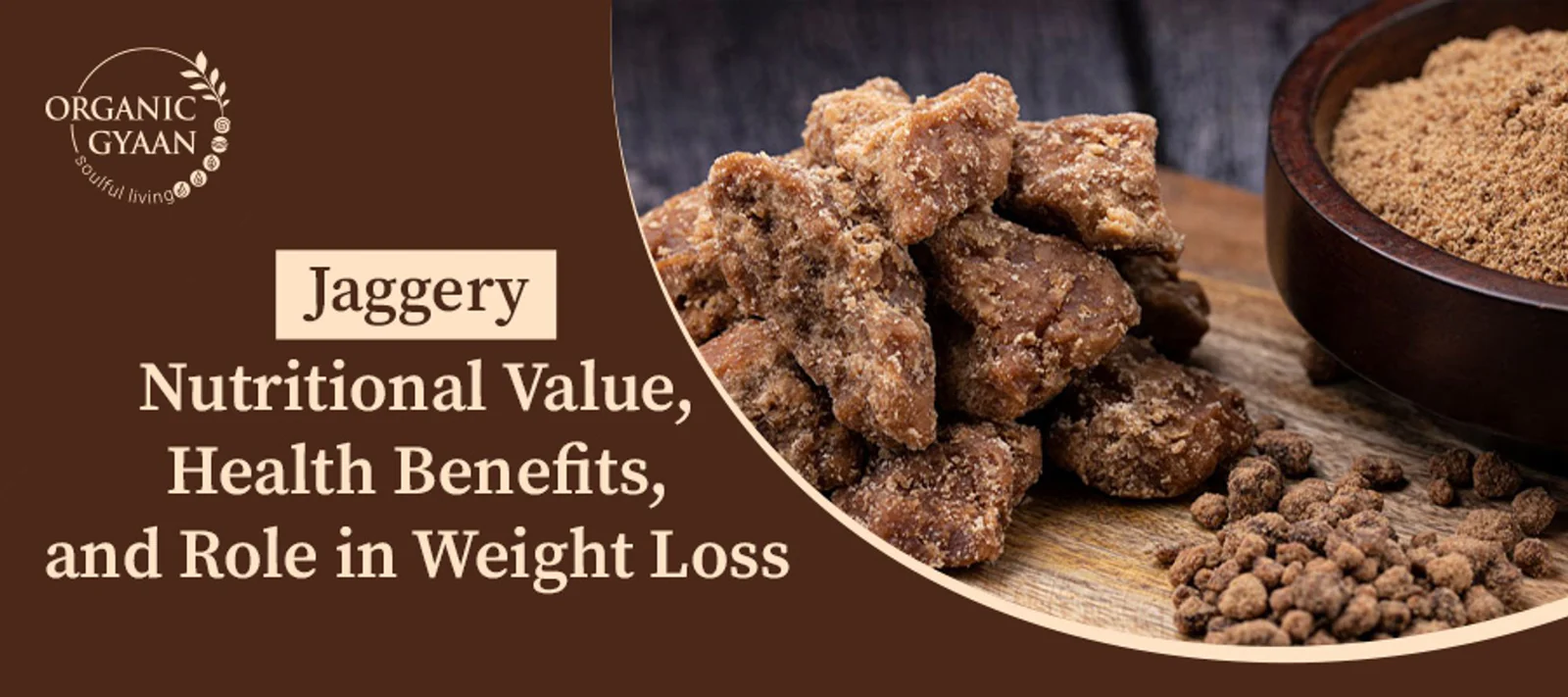
Jaggery is a traditional non-centrifugal cane sugar that retains its natural molasses content. Unlike white sugar, which is stripped of all nutrients during processing, jaggery preserves essential minerals like iron, magnesium, potassium, and phosphorus, along with trace amounts of B vitamins.
It has a rich, caramel-like flavour and is commonly used in Indian desserts, teas, and post-meal digestive practices.
5 Surprising Health Benefits of Jaggery
1. Aids Digestion and Relieves Constipation
One of the most well-known traditional uses of jaggery is as a digestive aid. Consuming a small piece of jaggery after meals is a common Ayurvedic practice — and there’s good reason for it.
Jaggery stimulates the production of digestive enzymes, activates bowel movements, and helps cleanse the intestines. It acts as a mild natural laxative, making it particularly beneficial for people who struggle with constipation or bloating.
Tip: Have a small piece (10–15g) of jaggery with warm water after lunch or dinner for better digestion.
2. Rich in Iron — A Natural Remedy for Anaemia
Unlike white sugar, jaggery is a surprisingly good source of iron. This makes it especially valuable for individuals at risk of iron-deficiency anaemia — particularly women, children, and vegetarians.
Iron is essential for the production of haemoglobin, which carries oxygen in the blood. Regular, moderate consumption of jaggery can help maintain healthy haemoglobin levels without the side effects of iron supplements.
Pair it with a source of Vitamin C (like lemon juice or amla) to significantly boost iron absorption.
3. Detoxifies the Liver Naturally
Jaggery is widely regarded as one of the best natural liver cleansers. It helps flush out toxins from the body by stimulating the liver to eliminate harmful waste products more efficiently.
If you’re exposed to pollution, consume alcohol occasionally, or simply want to support your liver health, incorporating jaggery into your diet is a simple, time-tested approach. Ayurvedic practitioners have recommended it for liver detox for generations.
4. Boosts Immunity and Fights Infections
Jaggery contains a range of antioxidants and minerals — including zinc and selenium — that play a key role in strengthening the immune system. These nutrients help the body fight oxidative stress and reduce the risk of free radical damage.
Additionally, jaggery’s anti-inflammatory properties (thanks to its mineral content) may help the body resist common infections like colds, coughs, and flu — especially when combined with ginger or black pepper in traditional home remedies.
Did you know? A classic Indian remedy for a sore throat is warm water with jaggery and ginger — a practice that’s been used for hundreds of years.
5. Provides Sustained Energy Without a Sugar Crash
One of the most underrated benefits of jaggery is how it affects your energy levels. Because it is unrefined, jaggery is digested more slowly than white sugar. This means it releases energy gradually into the bloodstream, avoiding the sharp spike-and-crash cycle caused by refined sugar.
This makes jaggery an ideal natural energy booster for athletes, students, or anyone who needs steady focus and stamina throughout the day — without reaching for processed snacks.
Jaggery vs. White Sugar: Quick Comparison
| Feature | Jaggery | White Sugar |
|---|---|---|
| Processing | Minimal | Highly refined |
| Nutrients | Iron, Mg, K, B vitamins | None |
| Glycaemic Index | ~84 (lower than refined) | ~100 |
| Digestive Support | Yes | No |
| Antioxidants | Present | Absent |
Note: While jaggery is healthier than white sugar, it is still a sweetener and should be consumed in moderation.
How Much Jaggery Should You Eat Per Day?
The recommended daily intake is 10–20 grams (roughly 1–2 teaspoons or a small lump). Exceeding this can add significant calories and may spike blood sugar levels — especially for people with diabetes or insulin resistance.
Who should be cautious?
- People with Type 2 diabetes or prediabetes
- Those on a calorie-restricted diet
- Anyone with fructose intolerance
Always consult your healthcare provider if you have a medical condition before making dietary changes.
Easy Ways to Include Jaggery in Your Diet
- Stir into your chai or herbal tea instead of sugar
- Use as a natural sweetener in oatmeal or porridge
- Add to laddoos, halwa, or chikki (traditional Indian sweets)
- Mix with sesame seeds or peanuts for a quick energy snack
- Dissolve in warm water with lemon for a detox drink
Conclusion
Jaggery is far more than just an old-fashioned sweetener. From supporting digestion and liver health to boosting immunity and providing sustained energy, the health benefits of jaggery make it a worthy addition to a balanced lifestyle.
If you haven’t already, consider swapping your refined sugar for jaggery — your body might just thank you for it.